
Across Europe, mobility hubs are emerging as one of the most important instruments for creating cleaner, more efficient, and more liveable cities. While public transport infrastructure and shared mobility options receive much of the attention, one of the biggest opportunities lies hidden in plain sight:
Large parking garages - both public and private - are becoming the new anchor points of sustainable mobility.
As cities intensify restrictions on cars in their centres, parking operators face a clear reality:
the traditional parking model is losing relevance, and new mobility-driven business models are needed to stay future-proof.
This shift is accelerating the transformation of parking assets into digital, multimodal mobility hubs.
Below, we outline five key trends that explain the accelerating shift toward digital, multimodal mobility hubs — and the pivotal role parking assets will play in this evolution.

1. Parking Facilities Are the New Mobility Gateways
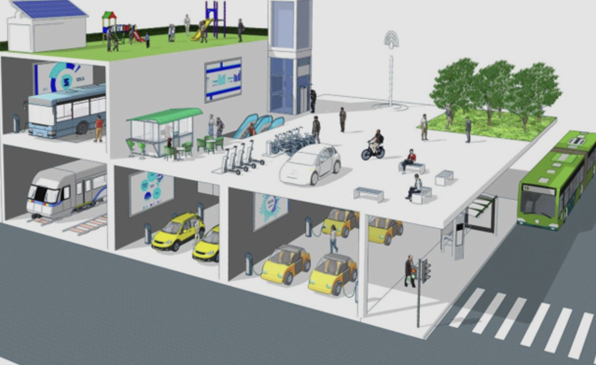
Parking garages occupy strategic locations where people already start and end their journeys. Their scale, accessibility, safety, and existing infrastructure make them ideal candidates to host:
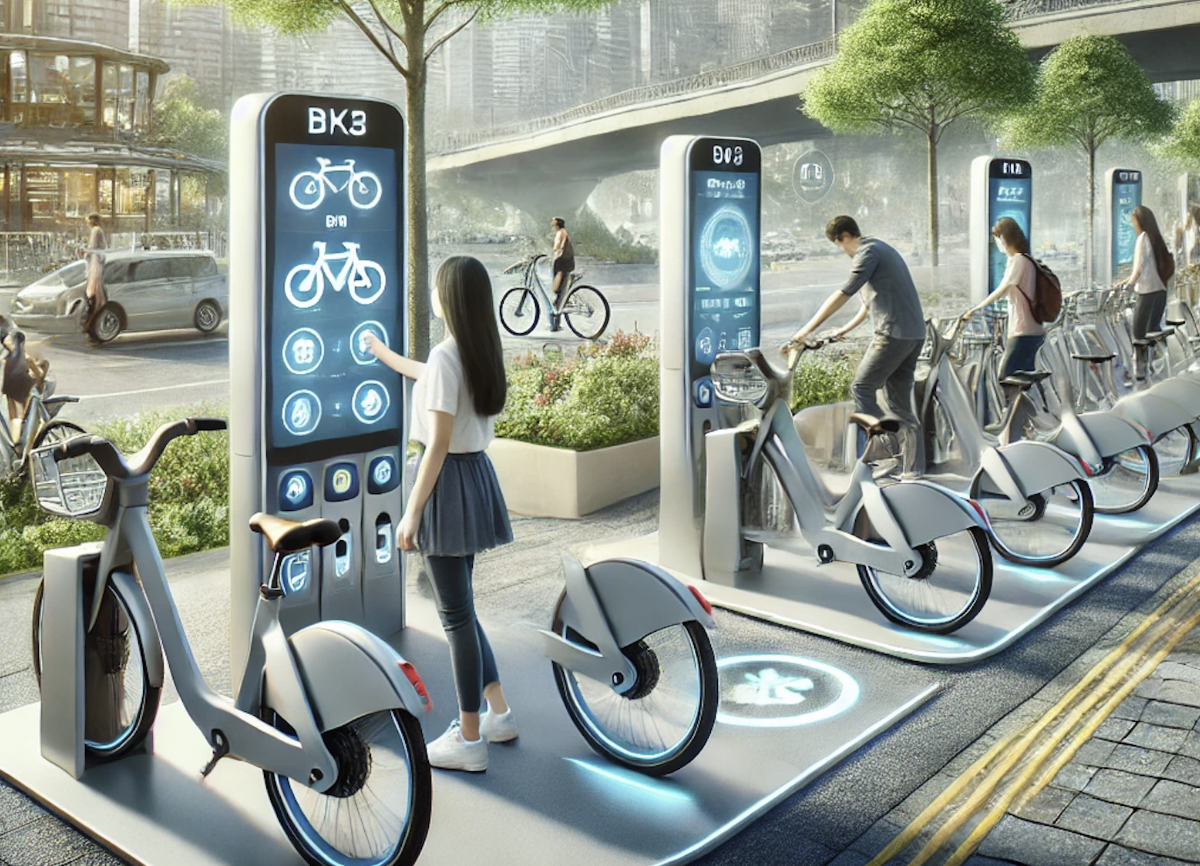
- Shared e-bikes, e-mopeds, and e-cargo bikes
- Charging infrastructure
- Secure, digitally controlled access
- Last-mile solutions for commuters, residents, and visitors
- Parcel delivery and micro-logistics operations
As car access to city centres continues to shrink, these facilities are naturally positioned to become mobility gateways rather than static storage for vehicles.
This transition is not only logical, it is economically essential. Below an overview of various types of hubs.
2. The Next Generation of Mobility Hubs Is Defined by the Digital Layer
A modern mobility hub is no longer just a physical place where modes are co-located.
The real value lies in the digital experience:
- Seamless access
- Instant availability checks
- Simple reservation and payment flows
- Real-time operational data
- Predictable reliability for daily commuters and occasional users
Without strong digital integration, mobility hubs remain fragmented.
With it, they become intuitive navigational points in the urban mobility ecosystem.
3. Behaviour Change Depends on Reliability and Operational Intelligence
Cities, employers, property owners, and parking operators all aim to reduce private car use and promote greener alternatives. Yet meaningful behavioural change only occurs when mobility feels:
- Consistent
- Convenient
- Trustworthy
- Effortless
This requires more than vehicles on the ground. It requires operational intelligence:
- Knowing where and when demand arises
- Ensuring vehicles are charged, maintained, and available
- Anticipating peak patterns
- Providing measurable sustainability metrics
- Creating predictable user journeys across multiple locations
Data is now the backbone of a functioning mobility hub.
4. Five Types of Hubs Are Emerging - Each With Its Own Dynamics
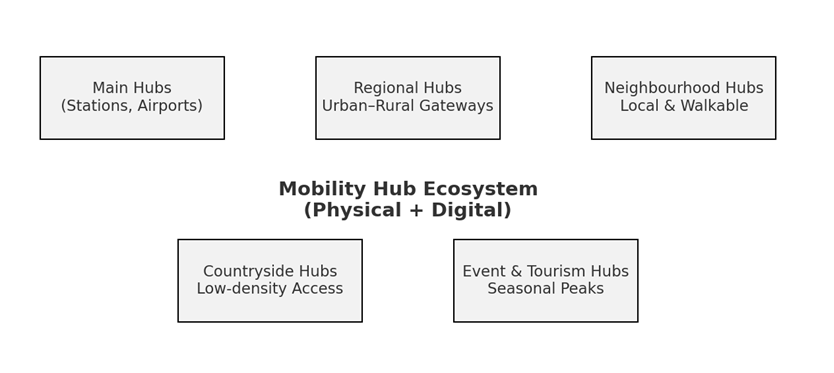
Across Europe, five distinct hub typologies are shaping mobility strategies:
1. Main hubs
Major stations, airports, or central nodes requiring high-capacity management.
2. Regional hubs
Gateways connecting suburban or rural areas to urban centres.
3. Neighbourhood hubs
Small-scale, walkable hubs embedded in communities.
4. Countryside hubs
Critical for areas with limited public transport where shared mobility fills essential gaps.
5. Event & tourism hubs
Seasonal or high-intensity hubs requiring temporary and flexible mobility solutions.
Parking assets - especially large garages at transit nodes, business districts, and commercial centres - fit naturally across all five categories.
5. The Strategic Opportunity for Parking Operators and Property Owners
The mobility transition is not driven by infrastructure alone, but by the ability to connect mobility assets, users, spaces, and data into one integrated system.
This creates a major opportunity for:
- Parking operators
- Real estate developers
- Campus owners
- Municipalities
- Hospitality groups
- Large employers
By transforming existing locations into multimodal hubs, they can diversify revenue streams, increase asset utilisation, support ESG goals, and become indispensable partners in a sustainable mobility network.
Conclusion: Mobility Hubs Will Be Built on Infrastructure - but Powered by Software
The shift from car-centric to multimodal mobility is already underway, and parking facilities will be at the centre of this transformation. Their future relevance will depend heavily on:
- digital integration
- seamless access control
- reliable shared-mobility operations
- and actionable data
The true mobility hub of the future doesn’t just exist on the street - it operates in the cloud.
If you’d like to explore how digital mobility ecosystems can be implemented across parking assets, business parks, hospitality environments, or city networks, Nazza is happy to share its expertise and hands-on experience from projects across multiple sectors.